
We Asked Enrollment Coaches What They Wished Every Learner Knew
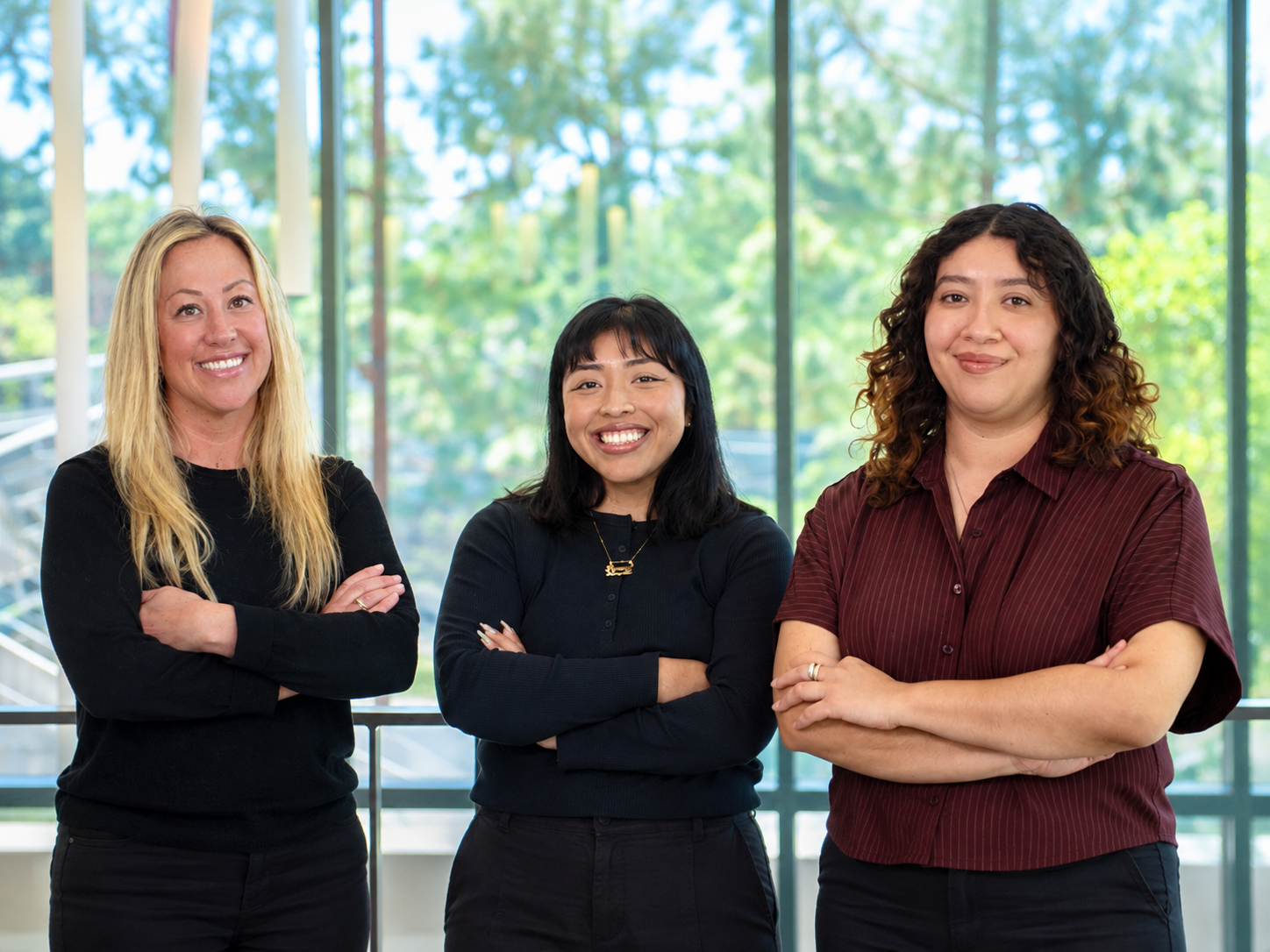
By the DCE Enrollment Coaching Team & Edited by the DCE Content Team
Enrollment coaches spend much of their time communicating with learners at one of the most pivotal moments in their lives—just before they decide to invest in themselves. Many of those learners are nontraditional: people returning to education after time away, changing careers, serving as veterans or athletes, or balancing school with work, family, and everything else that life brings. They hear the excitement, but they also hear the doubts. After asking our three enrollment coaches the same four questions, a few clear themes emerged. Here is what they want every learner to know before they take that first step.
You have more support than you think, and the sooner you use it, the better.
One of the most common things enrollment coaches hear from learners after they enroll is, "I wish I had known about this sooner."
"I think one of the biggest things learners don't realize is how many resources are available to them," says Irene. "They don't have to navigate their educational journey on their own."
Those resources go well beyond the classroom. Enrollment coaches can help with questions about programs, courses, registration, and academic planning. Instructors bring hands-on, real-world experience into their courses and are available to support learners throughout their course. As soon as a learner enrolls, they also gain access to the Career Advancement Network (CAN), including a private job board through 12twenty, resume-enhancing tools, career workshops, webinars, and one-on-one career coaching.
For learners who want to come to campus, even more is available. "We have facilities such as libraries and study centers students can use," says Ellis. "Learners sometimes inquire about these resources later, but it's much better to take advantage of them immediately."
All three coaches underscored the importance of acting early rather than waiting. These resources exist to support you from day one, and the learners who tap into them initially tend to have a smoother, more positive experience throughout their program.
It's okay to feel unsure. That's when you should reach out.
Fear is one of the most honest words that came up among all three coaches when asked why learners hesitate to enroll.
"I think the hardest part is often simply getting started," says Kate. "I recently spoke with a learner who was nervous because they weren't familiar with Zoom or Canvas and weren't sure what to expect. But once they immersed themselves in the course and got started, those things became much less intimidating."
For many prospective learners, the hesitation isn't about the coursework but about everything surrounding it. Some haven't been in a classroom setting in years, while others are changing careers mid-life. They might also be balancing jobs and families and aren't sure they can take on one more thing. Ellis hears this often. "Some learners think maybe they've aged out, or they're scared of getting back into the swing of things," she says. "I always like to emphasize that it's never too late to learn anything." Being a nontraditional learner means your path may look different, but that life experience is valuable.
Irene encourages anyone feeling this way to have a conversation with them. "I encourage learners to meet with an enrollment coach because these conversations allow them to ask questions, talk through their concerns, and learn more about what their educational journey might look like." Enrollment coaches can also share stories of nontraditional learners who decided to invest in their education while balancing work, family, and full lives already well in progress.
And if you feel like you've already missed your chance for the quarter, that may not be the case. Late starting classes are available each quarter, so there are often more entry points than learners realize. An enrollment coach can help you find an option that fits your timeline.
"You don't have to know everything before you start,” says Kate. “You can adapt to technology, learn the material, ask questions, meet your instructor for office hours, and figure things out along the way."
Come in with a plan but be realistic about what the work requires.
Before you enroll, one of the most valuable things you can do for yourself is gain a realistic understanding of what your weekly commitment will look like.
"Depending on the course and how much time you're willing to dedicate to it, you should generally plan for 5 to 10 hours per week," says Kate. "Coursework is designed to be completed on a flexible schedule, but to be successful, you shouldn't wait until the end of the week to cram everything in." She also cautions new learners against taking on too much at once. "Sometimes I see learners enroll in four or five courses and then have to reduce their course load, or worse, not pass a class. If you're new to online learning, you may want to start with one course to see how it fits into your workload and life."
Beyond time management, an academic plan makes the experience feel more manageable. Ellis sees this regularly. "Having a game plan is something we love helping students create. It can be validating and makes learners feel less anxious about being back in school. A plan helps make sure you’re not missing out on anything and helps you get out into the workforce sooner to apply what you’ve learned."
This is exactly what enrollment coaches are here to help with, too. Coming in with questions, even if you don't know exactly what to ask yet, is one of the best ways to initiate that first conversation with an enrollment coach.
You're more capable than you're giving yourself credit for.
Perhaps the most consistent thing coaches observe is a gap between how learners see themselves and what they’re capable of.
"We talk to learners who are already dismissing their potential—thinking about why something won't work for them, why they won't be able to finish, or why they're not sure they're capable of making a change," says Kate. "Those concerns are understandable, but sometimes you can become your own biggest obstacle."
Ellis suggests learners reframe their perspective when they feel this way. "You've likely already earned a degree or diploma, so you've already proved that you can do it. You've done it once, and you can do it again."
What coaches see in learners who go on to succeed isn't always confidence at the start. It's curiosity and a willingness to ask questions, pivot when things don't go as planned and keep moving forward. "I think sometimes learners become so focused on how far they still have to go that they don't recognize how much they've already accomplished," says Irene.
Kate sees it happen all the time: "We see learners who are unsure of themselves take that first course and realize they're capable of much more than they thought. Often, learners who are willing to take that first step end up adding courses the following quarter, finishing their certificate, and sometimes starting another one!"
So, what’s the takeaway? You don't have to commit to everything at once. You just have to be willing to start.
Ready to take that first step?
Connect with an enrollment coach today. Whether you have questions about a specific course or program, want help building an academic plan, or just aren't sure where to begin, they’re here to help. Book an appointment.